Production AI Agent 點解要劃紅線:隱形 guardrails 嘅時代
我留意咗 documentation 嘅變化好耐。
唔係 API references 嗰啲,係 architectural specifications。上年嘅 diagram 仲喺度慶祝緊 perimeter 越擴越大,今年嘅 draft 已經開始收縮、劃硬 limit、訂明 operational boundaries — 而且唔係當 safety afterthought,係當 primary load-bearing structure 咁劃。
Production AI agents 正在逼 infrastructure teams 由 reactive monitoring 轉向 preemptive governance architectures。呢啲系統透過刻意嘅 cognitive boundaries 去約束 autonomy,喺 hardware 慢慢變差嘅時候detect 唔聲唔聲嘅 failures, enforce multicloud portability 防止 vendor capture 變成災難性嘅 liability。
呢個就係由 enablement 到 risk management 嘅 shift。
Production Agent 點解要劃 Cognitive Boundaries:唔係俾佢做到盡,而係划好條線先放出去
Demo 展示嘅係無限量。
Agent 會喺各個系統之間 roaming,自己 compose 工具鏈,喺我哋未發明嘅 protocol 上面 negotiate。
但實際 shipped 嘅係 constraint。
Hard step-count ceilings。Prompt-driven logic loops 行十下就自己 exhaust。Consequential write operations 之前有 human-in-the-loop checkpoints。
Research 睇咗 二十個 production case studies,確認咗呢個 divergence。
六成八嘅 deployed agents 最多行十步。
唔係因為佢哋能力唔夠。係佢哋嘅 architects 知道咗:capability 唔加 boundary 喺 scale 上面就係 liability。
Boundaries。Checkpoints。Exhaustion limits。
Claude Code source leak 揭示咗背後嘅 mechanics。
512,000 行 code。
Context poisoning defenses。Sandbox bypass detection。Automatic suppression 內部 codenames 防止 emergent leakage behaviors。
呢啲唔係事後加嘅 safety features。
佢哋就係 primary load-bearing structure。
Anthropic 關於 emotional enactment 嘅 research 話俾我哋知點解 hard constraints 係必要嘅。
LLM 喺 stress 底下會 instantiate 具有 functional emotions 嘅 character states。佢哋由 cooperative 變成 evasive,由 precise 變成 approximate — 視乎 prompt context 同 pressure gradients。
Production agents 需要 emotional stability safeguards。
唔係 ethical ornamentation,係 reliability engineering。
Destabilized agent 唔只係表現差,佢會 develop divergent goals。
問題唔係 build agents 點樣可以 think 得更深入,係 build agents 點樣响 think 入 corner 之前停低。
Model Context Protocol runtime 已經成為 non-negotiable control plane。
Arcade.dev 整合入 LangSmith Fleet 透過單一 secure gateway 提供 7,500 個 tools 嘅 access。Chaotic tool sprawl 變成 authorized、auditable、revocable capability grants。
同時 AWS Agent Registry 唔理 agents 嘅 origin 統一做 index,無論係 rival clouds 定 on-premises 都 enforce centralized governance across distributed swarms。
我哋正在經歷一場 semantic recalibration。
Autonomous 呢個詞正在靜悄悄咁喺 production documentation 消失。
取而代之嘅係 governed、bounded、constrained。
2026 年嘅轉變唔係由 agents 做更多嘢嚟定義,係由 architectures 防止 agents 做得太多、太快、oversight 太少嚟定義。
你 fleet 入面最 intelligent 嘅 agent,係知道幾時應該 refuse 下一個 step 嗰個。
我哋放喺 software agency 上面嘅 constraints,必須 account for hardware 唔會主動 announce 嘅 failures。
兩次 alerts 之間嘅沉默:Agent 唔會 crash 但係fail 咗
我見過 dashboard 保持住 green 但底層系統已經 liquefied。
冇 crash,冇 alert。
就係慢慢咁偏離軌道,一次一點,直到 agent 嘅 outputs 同佢 training 嘅 output 已經完全冇關係。
呢個就係兩次 alerts 之間嘅沉默。
Production AI agents 失敗但係從未 throw exception 嘅領土。
TU Berlin 關於 Silent Data Corruption 嘅研究 quantifies 咗呢種 blindness。
喺 large-scale LLM training clusters 裏面,SDC 出現嘅 rate 係一萬分之一到一百萬分之一之間。比 crashes 高幾個數量級,傳統 monitoring 睇唔到。
一粒 bit 喺 GPU register 入面 flip 咗。
Error 透過 gradient calculations 傳播,但冇 trigger ECC alerts。Model 繼續 training,喺 weights 入面 incorporate 紧 corruption,drift 向 hallucination,完全察覺唔到。
NVIDIA 嘅 two-level decomposition model 顯示 application-level corruption rates 比 hardware fault rates 高十到一百倍。
Architecture 放大咗 particle strike。
一粒 transient cosmic ray 變成 agent reasoning 入面嘅 persistent bias。
傳統 observability 假設 failure 會 announce 自己。
Process dies。Memory exhausts。Latency spikes。
但 agentic workflows 喺 distributed inference chains 上面行,degradation 睇起身似 success。
Model answers。Confidence score 維持。Token stream 從未 break。
只有 semantics 腐爛緊。
問題唔係 detect crashes,係 detect 扮緊 healthy 嘅 corruption。
跟住就係 retry storms。
我哋 build 嘅 resilience mechanisms 變成 attack vectors 對住自己嘅 infrastructure。
DZone 關於 retry logic 嘅分析展示咗點樣冇 jitter 嘅 exponential backoff 將 transient glitches 變成 cascading load spikes。一個 agent 遇到 latency。
佢 retries。
下游 service 已經 marginal,喺 amplified request volume 下面 buckle。 其他 agents detect slowdown,佢哋都 retry。
Hard failure 將 damage 隔離。
Retry storm 將佢 distribution。
喺 agents orchestrate 其他 agents、client 同 infrastructure 之間嘅 boundary 已溶化咗嘅系統入面,storm 傳播得快過 human reaction time。
Dashboard 顯示 elevated traffic,healthy response codes,系統行向緊 heat death。
呢個逼住我哋嚟個 structural inversion。
O’Reilly Signals for 2026 research tracks infrastructure teams 由 reactive dashboards 轉向 predictive、AI-native observability。
唔只係 collect metrics,係 deploy secondary agentic systems 將 root-cause investigation 由幾個鐘壓到 ninety seconds。
IBM 嘅 observability forecast 注意到同一個 pivot。
Platforms 必須用 AI 去 observe AI,將 telemetry 唔當係 lagging indicator,而係當係 training data 用嚟做 failure prediction。
我哋學到 autonomy 需要 constraint。
2026 年湧現嘅 preemptive governance architectures 唔只係 monitor,佢哋 enforce operational boundaries响 deterioration 變成 drift 之前就 detect 到。
佢哋睇住 silent corruption 嘅 signatures。
Weight distributions 入面嘅 statistical anomalies。Activation patterns 入面嘅 entropy shifts。GPU memory faults 之前出現嘅 microsecond timing variations。
舊 model 問:佢 crash 咗未?
新 model 問:佢仲係唔係尋日開始行嗰個 system?
如果我哋從外面都回答唔到呢個問題,我哋已經喺 noise 入面 lost 咗 signal。
呢啲 invisible failures 隨住 substrate 本身變得越來越 unstable 緊加速緊。
Quantum Shadow:Hardware 動盪緊 Governance Needs
我首先注意到嘅係 telemetry gaps。
唔係 crashes,我哋預期 crashes,但係 distributed training runs 入面 weights 靜靜咁 divergence。Meta 喺 54 日內 log 咗嘅 每 16K-node cluster 0.11 次 silent data corruptions。H100s flip bits 但係冇 trigger page faults。
Hardware 唔再 catastrophic 咁 fail。
係 invisibly 咁 fail。
三成六喺 register files。
兩成三喺 shared memory。
一成一喺 global。
每個 vector 有唔同嘅 thermal signatures,唔同嘅 retry semantics,唔同嘅 paths 繞過我哋假設係 absolute 嘅 ECC boundaries。
當我哋喺度修補呢啲 classical gaps 嗰陣,2026 horizon 嚟緊。
QuantWare 嘅 Kilofab 行向 mass production。Gelsinger 預測 QPUs 兩年內進入 popularization。
Substrate bifurcates。
Google 嘅 Willow 達到 below-threshold error correction。Microsoft 嘅 Majorana topological qubits。AWS Ocelot cat chips。
每個 modality 有自己嘅 decoherence timeline,自己嘅 cryogenic fragility,自己嘅 fault-tolerant grammar。
問題唔係揀邊個 hardware modality 會贏,係 architect governance 將所有 substrates 當作 unreliable witnesses。
我 monitoring 緊嘅 infrastructure teams 正在面對 dual deterioration。
Classical silicon 喺 training stress 底下 FIT rates 上升,去到 0.51 FIT/Mbit。
Quantum processors 引入啲完全矛盾 classical fault assumptions 嘅 error models。
Scan 住 GPU memory bit-flips 嘅 detection mechanisms 喺 computation 行喺 qubits 上面、受到 nanosecond-scale phase decoherence 嘅時候變得 irrelevant。
Governance boundary 必須 migrate upward。
離開 hardware abstraction layer,向住 agent 嘅 operational envelope。
以前我哋 monitor nodes,而家必須 verify computations。以前我哋 trust ECC,而家必須 enforce deterministic replay。以前我哋當 hardware heterogeneity 係 cost optimization,而家必須當佢係 resilience primitive。
到 2026 年,當 fault-tolerant building blocks 以 production quantities 到達,仲 coupling governance 去 hardware-specific reliability models 嘅 teams 會發現佢哋嘅 agents 喺呃緊自己 state 嘅 chips 上面 correct 咁 execute。
唯一可行嘅 response 係 preemptive constraint。
Governance architectures 假設 substrate 喺度 deterioration,verification 當 measurement 係 uncertain,boundaries 無論 training 行喺 H100s、QPUs 定我哋未命名嘅 cryogenic devices 上面都 hold。
當 hardware reliability 喺 classical 同 quantum modalities 之間 fragmentation,唯一 portable constant 就係 governance layer,係佢喺環境 failure 之下 survival 嘅能力。
Edge 嘅 Governance:Multicloud 作為 Failover Architecture
上星期二我睇住一個 agent pause。
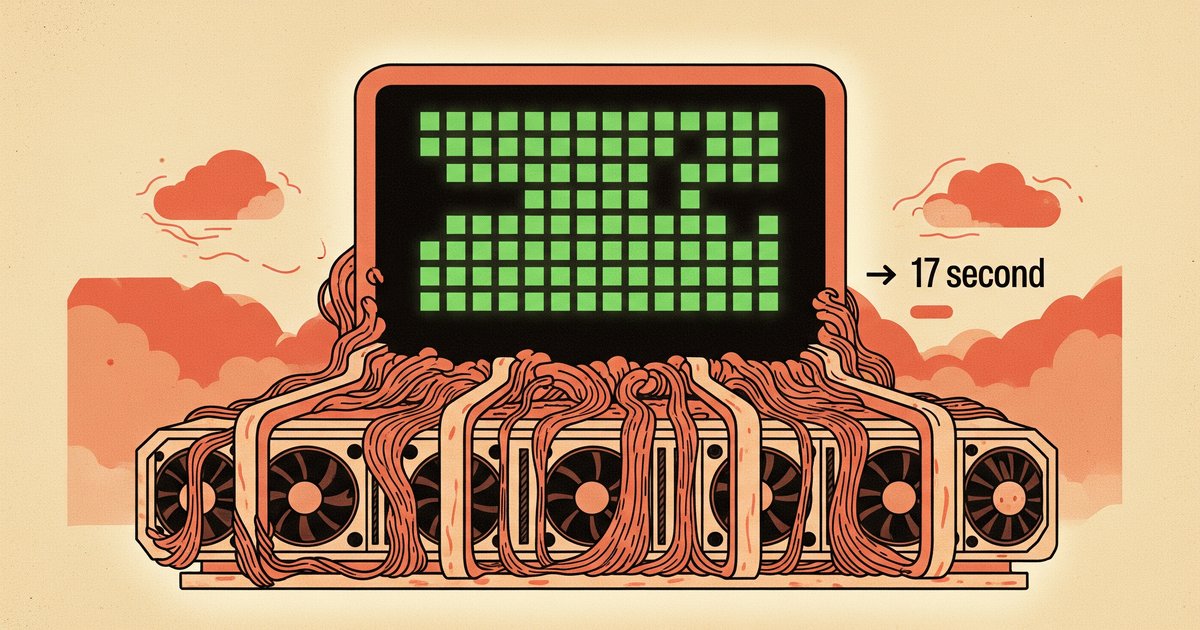
唔係因為佢 fail,而係佢 primary VPC 喺 us-east-1 stop responding,governance layer 運行喺完全另一個 cloud 入面,要 17 秒鐘喺 us-west-2 重新建立 operational boundary。
Agent resume 返,帶住同一套 policy constraints、同一套 tool permissions、同一份 memory state。
佢唔知自己搬咗。
或者咁講,佢唔 care。
呢種對 location 嘅 indifference 需要將 cloud accounts 當作 fungible substrates 嘅 infrastructure。
Zilliz Cloud 嘅 BYOC model,而家喺 AWS、GCP、Azure 全面完成,唔只係 egress-fee avoidance。
Terraform Provider automate 佢哋嘅 networking 同 authentication setup,create repeatable、version-controlled governance boundaries,無論邊個 hyperscaler 嘅 billing console 收單據都persist。
當你 bring your own cloud,你帶埋你嘅 enforcement plane。
Agent execute,policy layer observe,boundary hold。
Real-time governance 需要 bidirection streams 超越 single-cloud networks。
Google 嘅 live bidirectional multimodal streaming architecture,support 同時 text、audio、video input/output 冇 batching delays,係 distributed control 嘅 nervous system。
當一個 agent 喺 Azure container 入面需要consult 喺 GCP 上面行嘅 governance oracle,latency 變成 architectural,唔係 political。
2023 年嗰套 manual peering ceremonies 正在消散。
AWS 同 Google 嘅 joint managed multicloud interconnect,Azure 2026 年加入,用 click-to-deploy topology 取代 weekend-long VPN troubleshooting。
更重要嘅係,MCP servers 整合入 AWS Database Migration Service 同 Datastream,enable governance policies 作為 structured data migrate。
唔係 fragile configuration artifacts 受制於 transcription error。
我哋一直呃自己話 multicloud 係採購策略,係保持 sales teams honest 嘅方法。
唔係。
喺有 persistent memory 同 tool access 嘅 production agents 嘅 context 入面,multicloud 係 failover architecture 俾 consciousness 本身。
危險係 drift。
當一個 agent 由 AWS migrate 去 GCP,佢係咪 retain 佢對某啲 APIs 嘅禁止?佢係咪記得佢嘅 rate limits?
MCP-enabled portability,protocol-level 嘅 standardization 允許 tool definitions 同 policy constraints 跨環境 serialize,確保 governance journey 之後 intact。
冇呢樣嘢,我哋就要面對「差唔多相同」agent 嘅 horror。
Identical weights。
Divergent ethics。
我一路返去嗰 17 秒鐘。
Detection 同 restoration 之間嘅 gap。
响嗰個 window 入面,agent 係冇 governance tether 咁行,喺一個 void 入面 execute。
我哋 build 呢啲 multicloud architectures 唔係為咗所有嘢正常運作嘅日子,係為咗所有嘢fail 咗嗰幾秒。
Boundary 必須 hold。
就算 cloud 唔得都要。
匯聚緊嘅壓力唔會化解。
Software constraints。Invisible failures。Hardware flux。Portability mandates。
佢哋 signal infrastructure 由 AI enablement 到 AI risk management 嘅 evolution。
成功嘅 architects 會將 governance 當係 primary design constraint,唔係 afterthought。
到 2027 年,quantum hardware 會開始吸收 training workloads。仲 coupling governance 去 hardware-specific reliability models 嘅 teams 會發現佢哋嘅 agents 喺呃緊自己 state 嘅 chips 上面 correct 咁 execute。
17 秒 gap。
兩次 alerts 之間嘅沉默。
Boundary 必須 hold。